Metformin is one of the most commonly prescribed medications for type 2 diabetes, but many patients wonder about its effects on weight. This comprehensive review examines clinical studies and patient reports to separate fact from fiction.
Read More
Medication Side Effects Checker
← Back to Blog
Amoxicillin and Tylenol: Safe Use for UTI, Dental Pain, and More
When you're dealing with infections or pain, it's common to be prescribed medications like amoxicillin and Tylenol. Amoxicillin is a powerful antibiotic used to treat bacterial infections, while Tylenol, also known as acetaminophen, is a widely trusted over-the-counter pain reliever. Many people wonder about the safety of using both together, especially when managing conditions like a dental infection, urinary tract infection (UTI), or even general fever. That’s where the question often comes up: can you take Tylenol with antibiotics?
Understanding how Tylenol and amoxicillin work separately—and together—is important for effective and safe relief. While amoxicillin and Tylenol target different symptoms, combining them can be beneficial in cases where you're dealing with pain and infection simultaneously. If you’ve ever searched “can you take Tylenol with antibiotics” after a doctor's visit, you’re not alone. Proper knowledge helps avoid overmedication or harmful interactions, especially in sensitive situations like pregnancy or chronic conditions.
Whether you're managing a painful UTI, a throbbing toothache, or seeking safer options during pregnancy, knowing when and how to use amoxicillin and Tylenol matters. In this blog, we’ll break down the safe uses of Tylenol amoxicillin combinations, explain their role in common medical scenarios, and answer key questions like “can you take Tylenol with antibiotics” without risking side effects. By the end, you’ll feel confident about when to use Tylenol and amoxicillin—and when to consult your doctor.
Can You Take Amoxicillin and Tylenol Together?
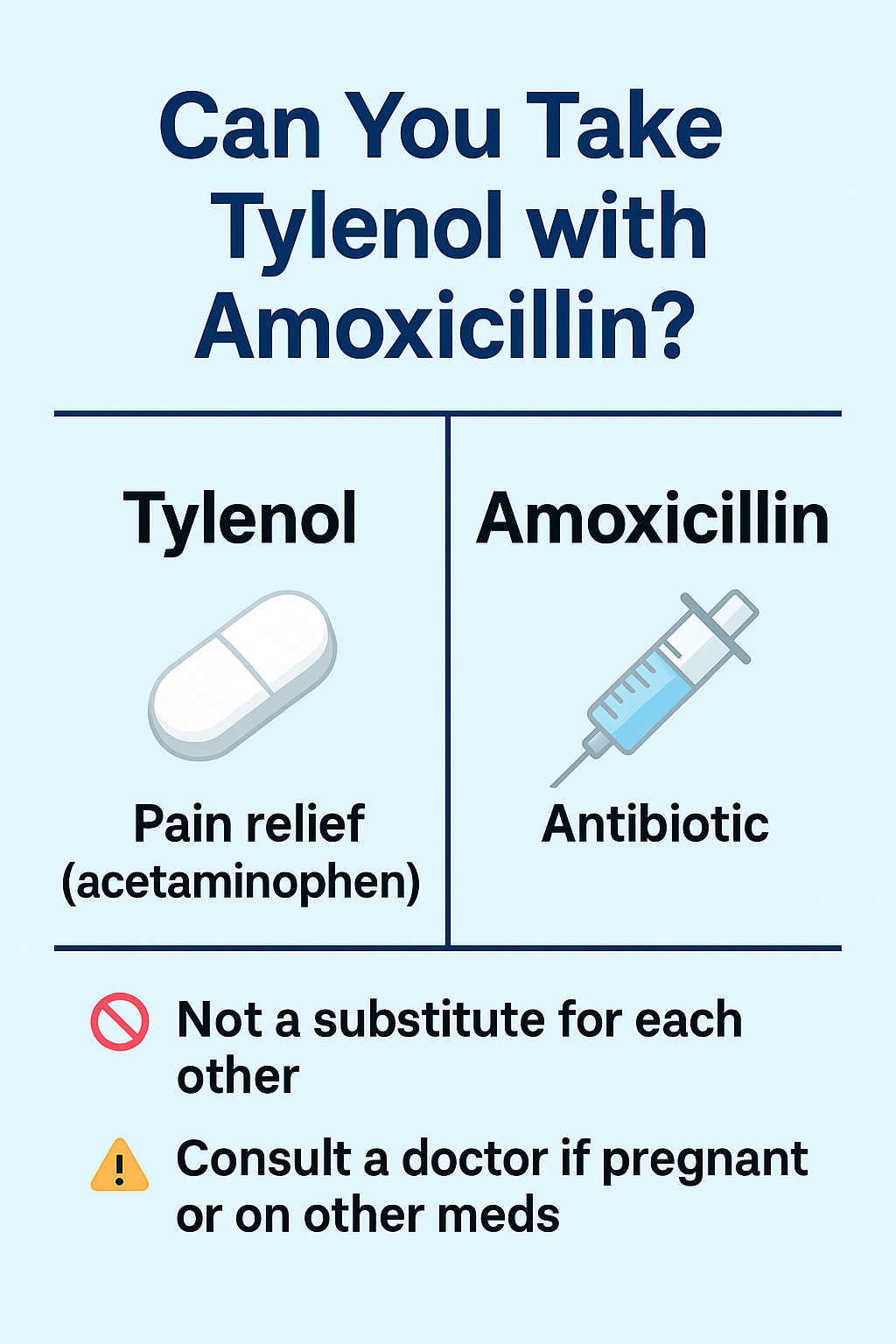
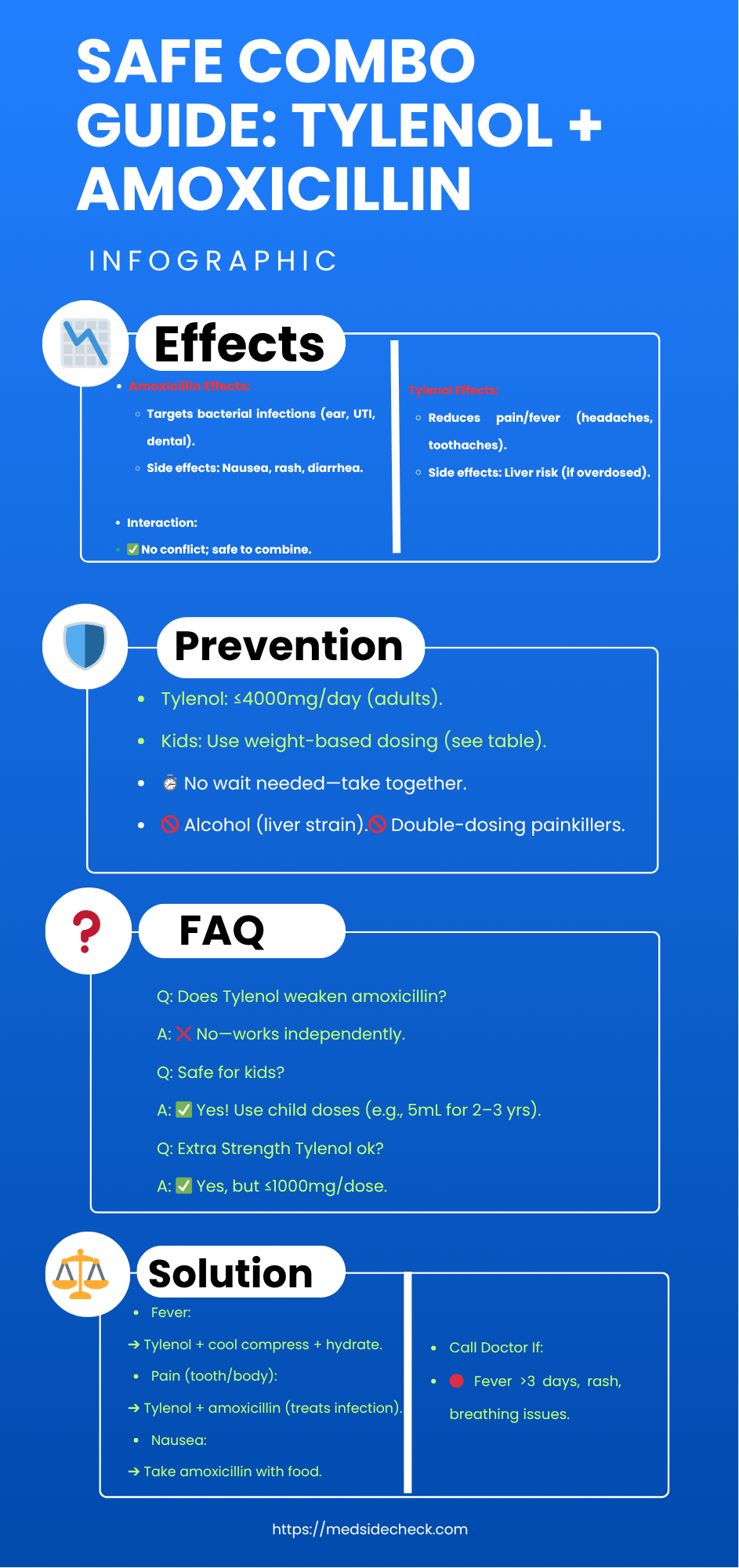
Yes, you can safely take amoxicillin and Tylenol together in most cases. These two medications work in different ways—amoxicillin is an antibiotic that targets bacterial infections, while Tylenol (also known as acetaminophen) helps reduce pain and fever. Since their functions don’t overlap, doctors often recommend the combination of amoxicillin and Tylenol to manage both the source of infection and the discomfort that comes with it. Many patients are prescribed amoxicillin Tylenol especially when symptoms like sore throat, sinus pressure, or urinary discomfort are present.
The main difference between amoxicillin Tylenol is their classification and purpose: amoxicillin fights infection at its root, while Tylenol simply relieves symptoms like pain or fever. Taking both at the same time can be especially helpful when the infection is causing moderate to severe discomfort. For example, in cases of a dental infection or strep throat, using Tylenol amoxicillin helps the patient feel better while the antibiotic works to clear the bacteria.
Doctors often recommend tylenol amoxicillin for conditions such as urinary tract infections, ear infections, and dental abscesses. The combination of amoxicillin and Tylenol helps you heal while keeping pain under control, which can improve rest and recovery. Just be sure to follow the dosage instructions for both drugs. Whether your prescription reads amoxicillin Tylenol or your provider advises you verbally, this combination is widely accepted as both safe and effective in managing infections with pain.
III. Amoxicillin for Urinary Tract Infections (UTIs)
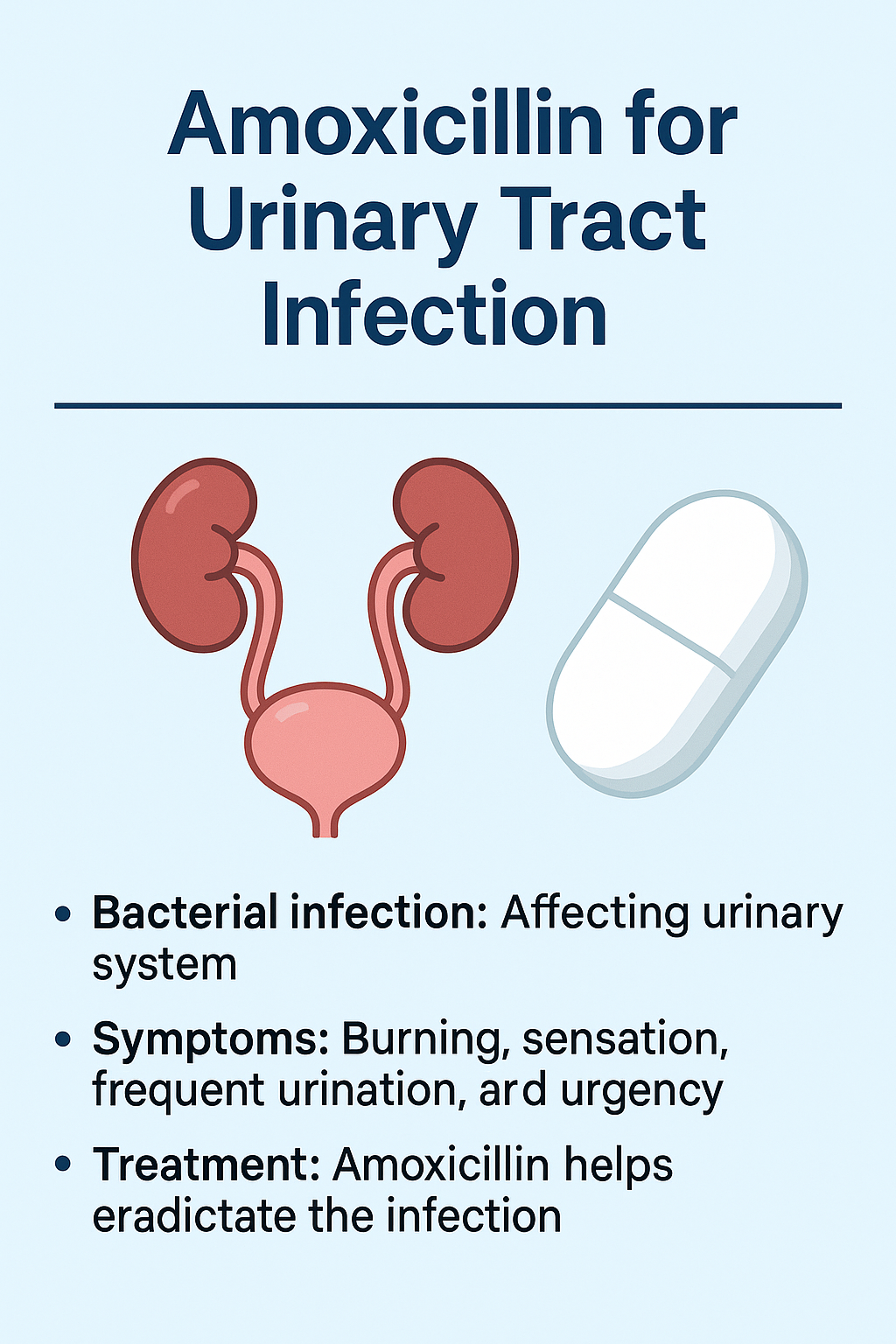
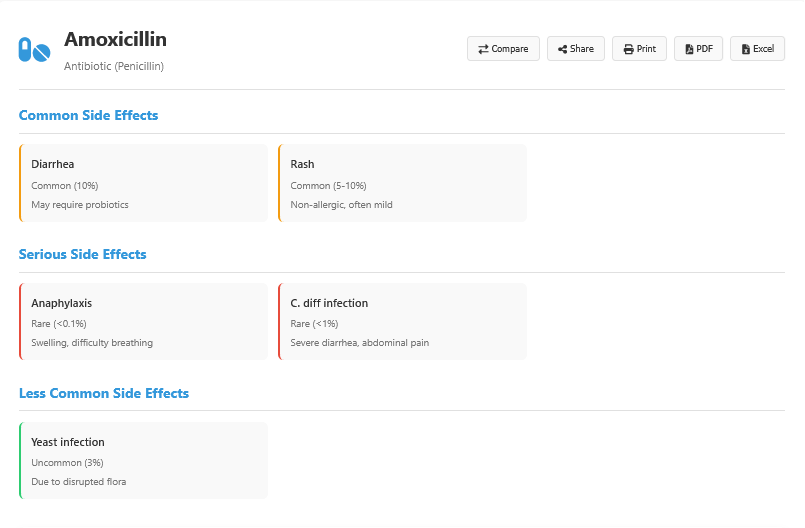
Amoxicillin is a commonly prescribed antibiotic used to treat various bacterial infections, including urinary tract infections. When a UTI is caused by bacteria susceptible to penicillin-type drugs, doctors often recommend amoxicillin for urinary tract infection due to its effectiveness and low side-effect profile. Patients who receive amoxicillin for UTI usually experience symptom relief within a few days, especially when the infection is caught early. The use of amoxicillin and urinary tract infection treatment is most effective when the full course of antibiotics is completed, even if symptoms improve before finishing the medication.
However, amoxicillin for urinary tract infection is not always the first-line choice for all patients. In some cases, lab testing may show resistance to amoxicillin, requiring a switch to alternative antibiotics. Still, for many mild or uncomplicated cases, amoxicillin for UTI provides reliable results with fewer gastrointestinal side effects. It’s also important to note that amoxicillin and urinary tract infection treatment may be less effective if the infection involves the kidneys or if the patient has a history of recurring UTIs.
If amoxicillin for urinary tract infections isn’t effective or suitable, doctors may turn to alternatives such as urinary tract infection penicillin options or other antibiotics like nitrofurantoin or trimethoprim. These alternatives work in different ways and may be better suited depending on the bacterial strain involved. Still, amoxicillin for UTI remains a trusted option, especially in populations where broad resistance hasn’t developed. Always consult your healthcare provider before starting or stopping any antibiotic treatment for amoxicillin and urinary tract infection concerns.
IV. Using Tylenol for UTI Pain Relief
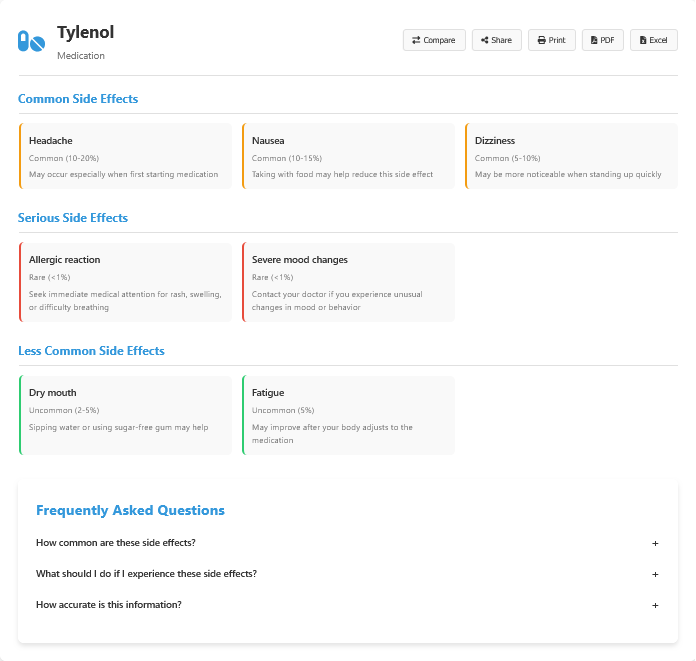
Tylenol is commonly used to manage the discomfort caused by urinary tract infections (UTIs), especially when antibiotics are still kicking in. UTI Tylenol combinations are recommended for reducing fever, body aches, and bladder pain while waiting for the infection to clear. While it doesn’t treat the root cause, UTI Tylenol is highly effective at controlling symptoms like burning urination and pelvic pressure. Many people rely on UTI Tylenol because it's accessible, fast-acting, and has minimal side effects when used correctly.
Understanding the safe dosage of Tylenol is crucial, especially when managing pain over multiple days. Adults should not exceed 3,000–4,000 mg of acetaminophen in a 24-hour period. For most UTI patients, 500 mg every 6 hours or 1,000 mg every 8 hours is considered a safe dosage of Tylenol—as long as no other acetaminophen-containing medications are taken simultaneously. Misuse can lead to liver damage, so sticking to a safe dosage of Tylenol is essential, particularly when using UTI Tylenol as part of a home treatment plan.
It’s important to note that UTI Tylenol is not a cure—it’s strictly for symptom relief. The infection still requires antibiotics like amoxicillin or other prescribed treatments. That said, for immediate comfort, UTI Tylenol plays a valuable role in improving quality of life during recovery. Always follow the safe dosage of Tylenol guidelines and consult your healthcare provider if symptoms persist or worsen. Using UTI Tylenol responsibly, while respecting the safe dosage of Tylenol, can make the painful waiting period more bearable.
V. Amoxicillin and Dental Pain: Is It Effective?
When you’re dealing with severe dental discomfort, it’s natural to look for fast relief. Many people wonder whether amoxicillin for a toothache is a reliable solution. In cases where an infection is present, a dentist might prescribe amoxicillin for a toothache to stop the bacterial growth causing the pain. However, while amoxicillin and toothache relief often go hand in hand, antibiotics alone won’t address the root cause of the problem, such as a cavity or abscess. It’s important to understand that using amoxicillin for a toothache is usually a temporary fix until proper dental treatment is provided.
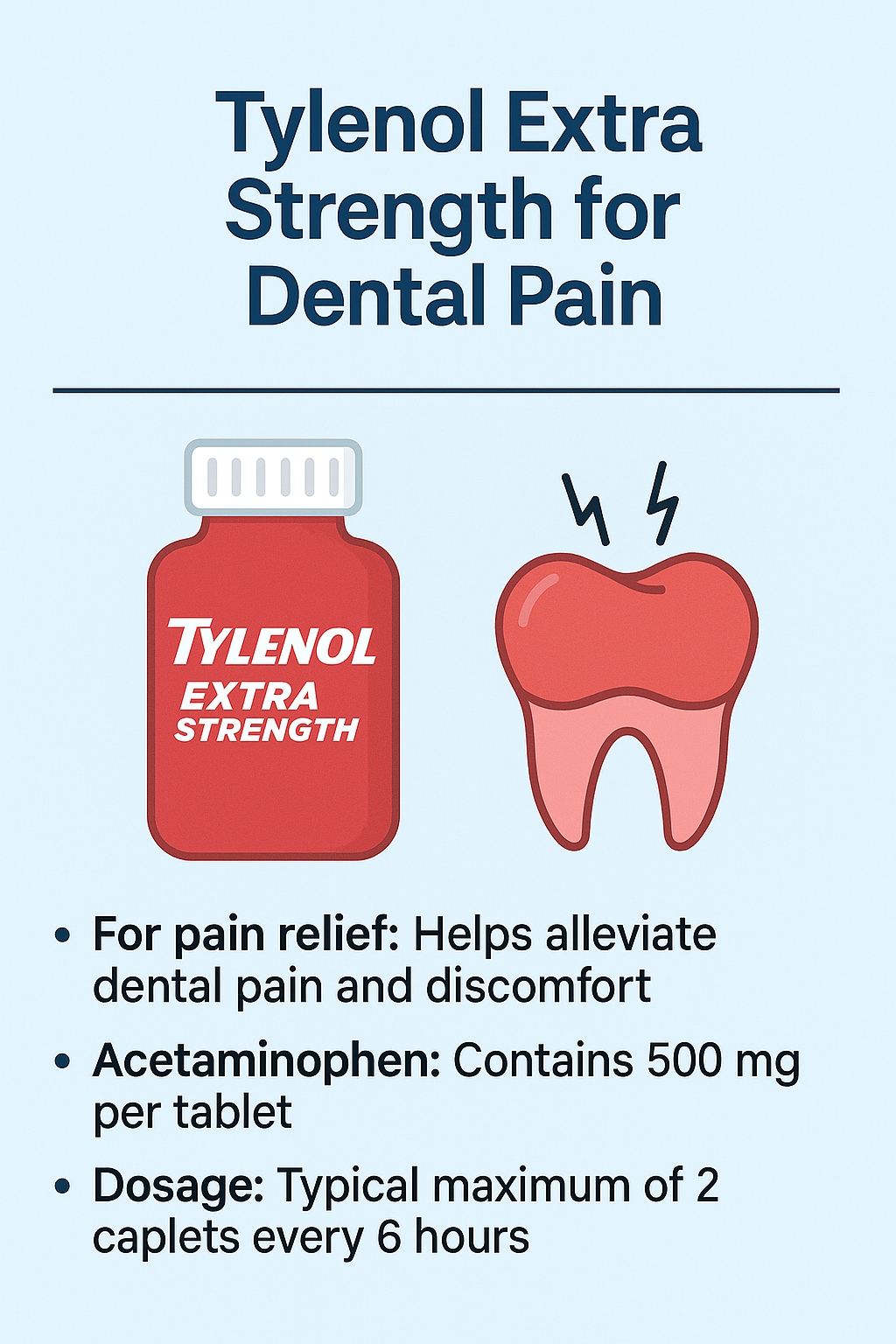
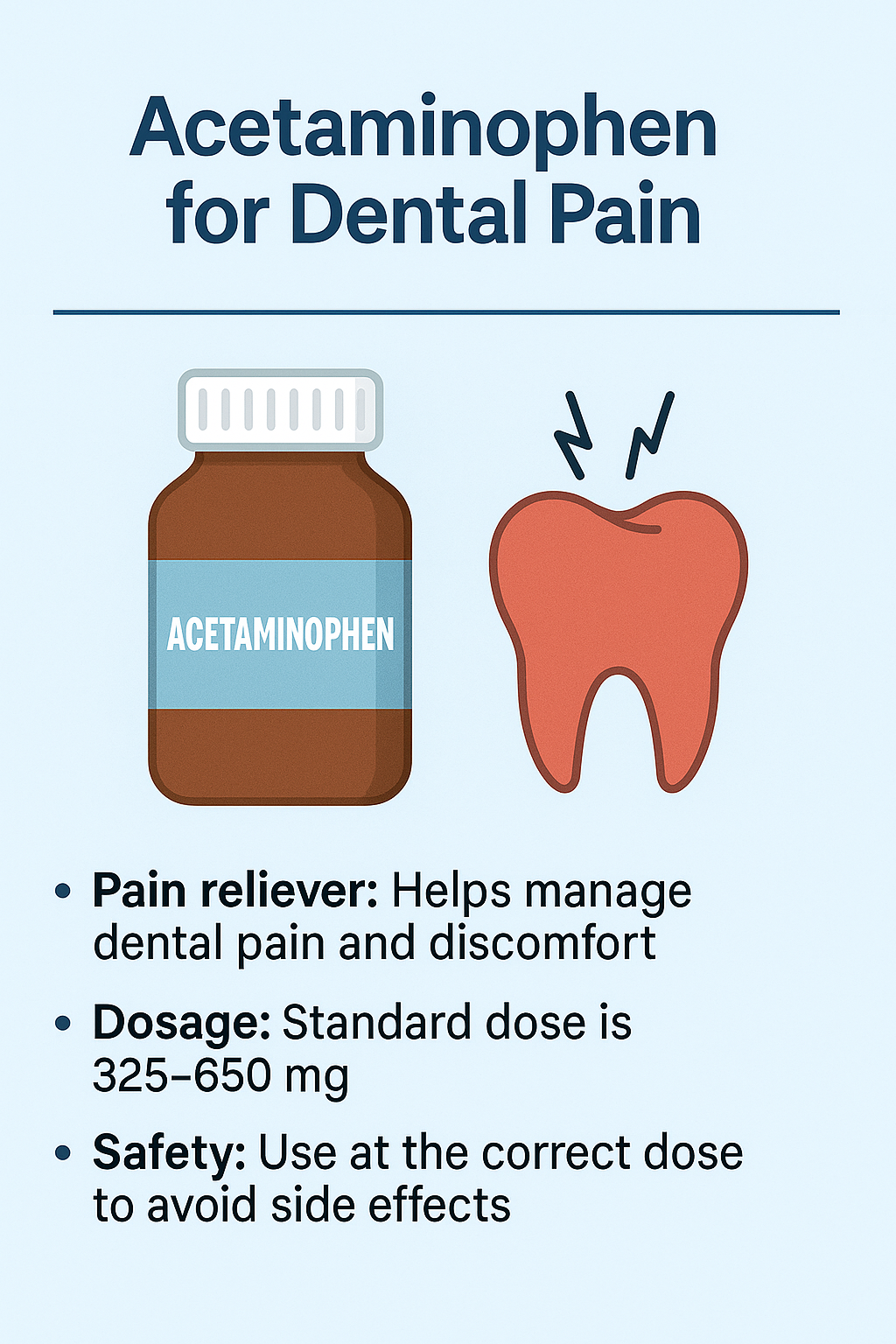
Some people expect antibiotics like amoxicillin for a toothache to cure the issue entirely, but that’s a misconception. While amoxicillin and toothache treatment can reduce infection and swelling, it doesn’t eliminate the need for dental procedures such as fillings, root canals, or extractions. If you're experiencing intense discomfort, pairing amoxicillin for a toothache with an over-the-counter tylenol dental pain medication can offer temporary relief. In fact, many dentists recommend tylenol dental pain management to reduce inflammation and provide comfort while waiting for antibiotics to take effect.
For the best results, amoxicillin for a toothache should be used only under a dentist's supervision. Meanwhile, using a reliable pain reliever for dental pain, such as tylenol dental pain relief, can make a noticeable difference in managing symptoms. Whether you're dealing with amoxicillin and toothache side effects or simply need a pain reliever for dental pain, combining both approaches is often the most effective. Just remember, tylenol dental pain products address the pain but not the infection. Consult your dentist to determine if amoxicillin for a toothache is necessary alongside a trusted pain reliever for dental pain.
VI. Tylenol for Pain Relief: How Much is Too Much?
When it comes to managing everyday discomfort, Tylenol and pain relief go hand in hand. Known generically as pain acetaminophen, Tylenol is one of the most commonly used over-the-counter medications for headaches, muscle aches, and mild to moderate pain. But many people still ask, "Tylenol how much can you take safely?" Whether you're treating a toothache or a fever, understanding the proper use of pain acetaminophen is crucial to avoid accidental overdose.
The general dosage for adults is 500 to 1,000 mg every 4 to 6 hours, not exceeding 3,000 mg to 4,000 mg in a 24-hour period. However, the answer to "Tylenol how much can you take" depends on factors like your age, liver health, and other medications you're using. This is especially important when taking Tylenol extra strength Tylenol, which contains 500 mg per tablet. Overuse of pain acetaminophen can lead to serious liver damage, making it essential to stay within the safe range. If you're using other products that may also contain acetaminophen, add them to your total daily dose.
There’s also a difference between regular Tylenol and Tylenol extra strength Tylenol. While both offer Tylenol and pain relief, the extra strength version delivers a higher dose per tablet and is typically recommended for more intense pain. But remember, Tylenol how much can you take isn’t just about strength—it’s also about frequency and overall daily intake. Always read labels carefully and consult a doctor if you're unsure. Used properly, pain acetaminophen remains one of the safest ways to get fast and effective relief.
VII. Tylenol During Pregnancy: Is It Safe?
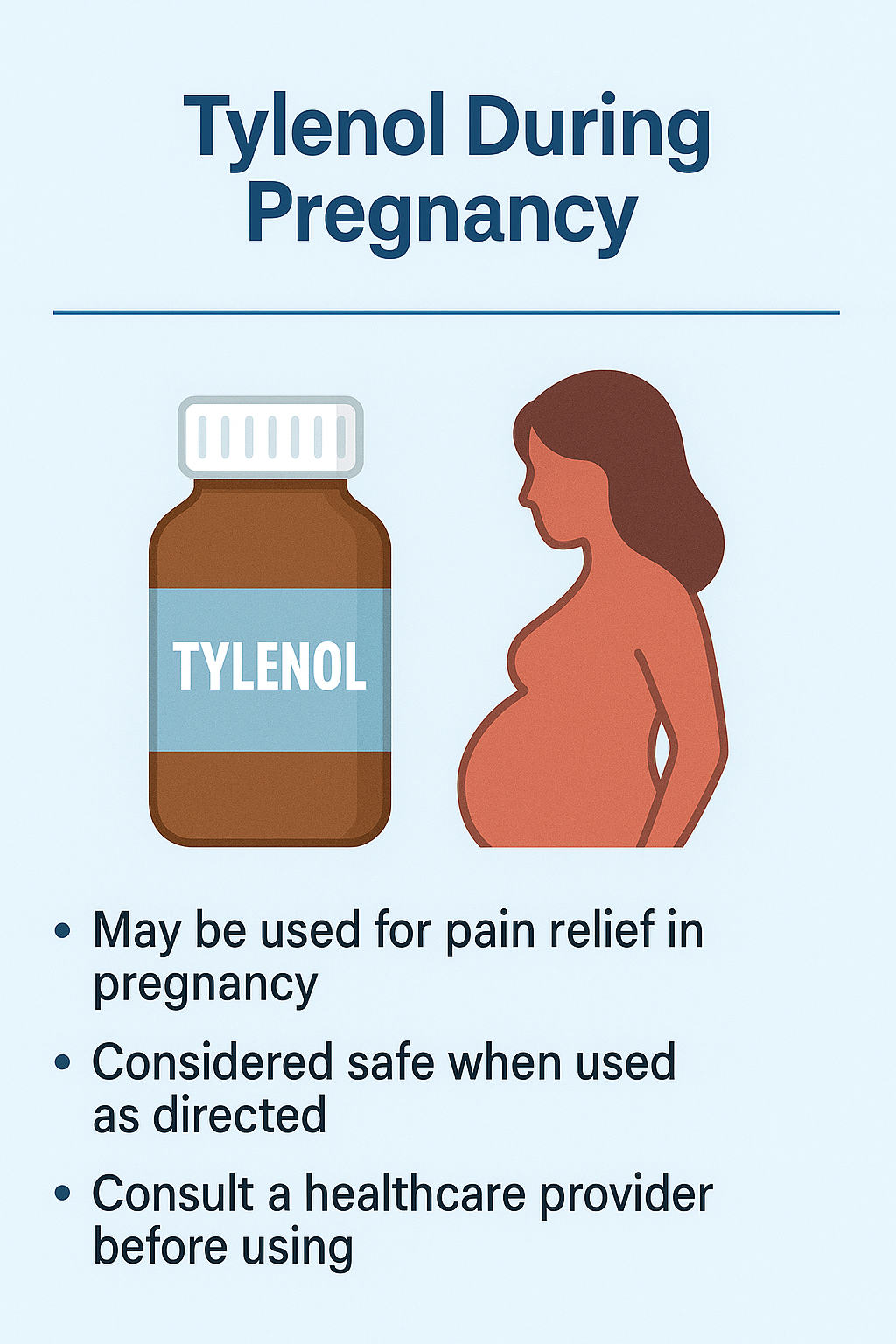
When expecting mothers experience headaches, mild fevers, or muscle aches, one common question arises: while pregnant can you take Tylenol safely? Tylenol, or acetaminophen, is often considered one of the safer over-the-counter pain relievers during pregnancy. Many healthcare providers recommend it when necessary, especially during the first and second trimesters, but it should always be taken under a doctor’s guidance.
Understanding the proper dosage is essential. While pregnant can you take Tylenol daily? The answer depends on the condition being treated and the duration. Typically, the maximum daily dose should not exceed 3,000 mg, and it’s best to use the lowest effective dose for the shortest possible time. If you're unsure, ask your OB-GYN, especially if you're dealing with chronic pain or recurring symptoms. Remember, while pregnant can you take Tylenol doesn’t mean it should be your first line of defense every time.
There are also some alternatives and precautions to consider. Natural remedies, rest, hydration, and prenatal-safe therapies may sometimes be more suitable. Additionally, avoid combining Tylenol with other medications that contain acetaminophen. Many women still wonder: while pregnant can you take Tylenol for sleep, stress, or back pain? The safest approach is always to check labels, limit self-medication, and consult your doctor. Your health and your baby’s development are worth the extra care. So the final takeaway? Yes, while pregnant can you take Tylenol, but only smartly, safely, and in moderation.
VIII. Summary & Precautions
Combining Tylenol (acetaminophen) with antibiotics like amoxicillin is generally considered safe for most people. While Tylenol helps reduce fever and relieve pain, amoxicillin works to fight bacterial infections. They target different symptoms, so using them together can be effective when managing conditions like dental infections, urinary tract infections, or sinus issues. However, understanding proper dosage and timing is crucial to avoid unnecessary side effects.
It's important to consult a healthcare provider before starting any new medication—especially if you're pregnant, taking other drugs, or managing chronic health conditions like liver disease or kidney issues. A doctor can confirm whether the combination is right for your specific case and may suggest alternatives if needed. Self-medicating without professional advice can lead to complications, particularly if symptoms persist or worsen.
To stay safe, always follow dosage guidelines for both Tylenol and antibiotics. Exceeding the recommended amount of acetaminophen can lead to liver damage, especially when combined with alcohol or taken over several days. Never double-dose if you miss a dose, and avoid mixing multiple medications that contain acetaminophen. Sticking to the prescribed amount and completing your antibiotic course helps ensure effective treatment and minimizes health risks.
IX. FAQs (SEO Schema-Enhanced Section)
Will amoxicillin cure a UTI completely?
Amoxicillin can be effective for treating urinary tract infections, especially when the bacteria causing the infection are sensitive to it. However, not all UTIs respond to amoxicillin, as some strains have developed resistance. It's essential to take the full prescribed dose and follow up with your doctor if symptoms persist.
Is it safe to take Tylenol with antibiotics like amoxicillin?
Yes, it is generally safe to take Tylenol (acetaminophen) alongside antibiotics such as amoxicillin. Tylenol can help reduce pain and fever while the antibiotic works to fight the infection. Always follow dosage instructions and consult a healthcare provider if you're on multiple medications.
Can I take Tylenol while pregnant for a toothache?
Tylenol is often considered the safest over-the-counter pain reliever during pregnancy. If you're experiencing a toothache while pregnant, Tylenol can help manage the discomfort. However, it's best to use the lowest effective dose and consult your OB-GYN before starting any medication during pregnancy.
What painkiller works best for a dental infection?
For mild to moderate dental pain, acetaminophen (Tylenol) or ibuprofen are commonly recommended. Ibuprofen may offer additional anti-inflammatory benefits, but Tylenol is a suitable alternative for those who cannot take NSAIDs. In cases of infection, pain relievers are typically used alongside antibiotics like amoxicillin.
What’s the max dosage of Tylenol in a day?
The maximum recommended daily dose of Tylenol for adults is 4,000 mg. However, it's safer to stay under 3,000 mg per day to avoid liver damage. Always read the label carefully, and avoid combining multiple medications that contain acetaminophen.
More Blog Posts
Does Metformin Cause Weight Gain? What the Research Says
Managing Ozempic Side Effects: Nausea and Other Common Issues
Ozempic (semaglutide) has become a popular treatment for type 2 diabetes and weight management, but its gastrointestinal side effects can be challenging. Learn evidence-based strategies to minimize discomfort while benefiting from this medication.
Read More
Tylenol and Ibuprofen: Safe Together or Risky Combination?
Many people alternate between acetaminophen (Tylenol) and ibuprofen for pain relief, but is this practice safe? We analyze the pharmacological interactions and clinical guidelines to help you make informed decisions about pain management.
Read More
Why Does Lexapro Cause Weight Gain? Understanding the Mechanisms
Lexapro (escitalopram) is an effective SSRI antidepressant, but weight gain is a common concern. This article explores the physiological reasons behind this side effect and offers practical advice for managing weight while on medication.
Read More
How to Stop Dizziness from Blood Pressure Meds
Practical strategies to manage orthostatic hypotension from antihypertensives.
Read More
Prozac Insomnia: How Long Does It Last?
Understanding the timeline for SSRI-related sleep disturbances.
Read More
Side Effects of Stopping Statins Suddenly
The risks and proper protocols for discontinuing cholesterol medications.
Read More
Can I Drink Alcohol with Antibiotics?
Which antibiotics interact with alcohol and the potential risks.
Read More
Adderall and Caffeine Side Effects
The dangerous combination of stimulants and its impact on your health.
Read More
Does Gabapentin Cause Hair Loss?
Examining the evidence behind this concerning side effect.
Read More
Managing Amlodipine-Induced Swelling: A Patient's Guide
Effective strategies for managing peripheral edema caused by calcium channel blockers.
Read More
Prednisone Moon Face: How Long to Go Away
Understanding and managing corticosteroid-induced facial swelling.
Read More
Can You Take Benadryl with Xanax?
The risks of combining CNS depressants and safer alternatives.
Read More
Zoloft vs Lexapro Side Effects
Comparing two popular SSRIs and their side effect profiles.
Read More
Best Time to Take Synthroid to Avoid Side Effects
Optimizing levothyroxine absorption and effectiveness.
Read More
Managing Weight Gain from Antidepressants
Strategies to counteract medication-induced weight changes.
Read More
Beta Blocker Withdrawal Symptoms Timeline
What to expect when tapering off these heart medications.
Read More
SSRI Withdrawal: What to Expect
Understanding discontinuation syndrome and how to minimize symptoms.
Read More
Birth Control Pills and Mood Swings
How hormonal contraceptives can affect your emotional health.
Read More
Natural Alternatives to Proton Pump Inhibitors
Lifestyle changes and supplements to reduce acid reflux without medications.
Read More
Ozempic Side Effects: How Long Does It Last? Plus Benefits for Prediabetes & PCOS
Ozempic, a medication containing semaglutide, has quickly become one of the most talked-about treatments in recent years. Originally developed to help people with type 2 diabetes manage their blood sugar levels How Long Does It Last?
Read More
Antibiotics for Sinus Infection: Best Treatments, Uses, and Side Effects Explained
Sinus infections, also known as Sinusitis, are a widespread condition that can leave you dealing with stubborn congestion, facial pressure, headaches How to treat?
Read More
Dupixent Side Effects: What You Need to Know Before and After Treatment
Living with conditions like eczema, asthma, or chronic sinusitis can be challenging, and treatments such as Dupixent have brought relief to many patients. How to treat?
Read More
How to Stop Metformin Diarrhea: 7 Doctor-Approved Methods That Work
If you have recently been prescribed this medication, you may be searching for answers to an uncomfortable question: why does metformin give me diarrhea every time I eat? How to treat?
Read More