Metformin is one of the most commonly prescribed medications for type 2 diabetes, but many patients wonder about its effects on weight. This comprehensive review examines clinical studies and patient reports to separate fact from fiction.
Read More
Medication Side Effects Checker
← Back to Blog
>
Ozempic Side Effects: How Long Does It Last? Plus Benefits for Prediabetes & PCOS
1. Introduction
Ozempic, a medication containing semaglutide, has quickly become one of the most talked-about treatments in recent years. Originally developed to help people with type 2 diabetes manage their blood sugar levels, it works by mimicking a natural hormone that regulates appetite and insulin response. As awareness grows, more people are exploring its broader benefits, especially for weight management and metabolic health. This rising popularity naturally brings up an important question many users ask: ozempic side effects how long does it last.
Beyond diabetes care, Ozempic is increasingly being used in new ways under medical guidance. Many healthcare providers are now considering ozempic for prediabetes as a preventive approach to reduce the risk of developing full diabetes, particularly in individuals with insulin resistance. At the same time, it is gaining attention as a supportive treatment option for hormonal conditions, with growing interest in ozempic for pcos, where managing weight and insulin levels plays a key role. These expanding uses have made Ozempic a trending topic across both medical and wellness communities.
As more people begin using this medication, understanding its effects becomes essential. While the benefits can be significant, especially for those managing blood sugar or hormonal imbalances, concerns about side effects remain common. Questions like ozempic side effects how long does it last are frequently searched by new users who want to know what to expect. Having clear, reliable information helps individuals make informed decisions and feel more confident about whether options like ozempic for prediabetes or ozempic for pcos are right for them.
2. What Is Ozempic and How Does It Work?
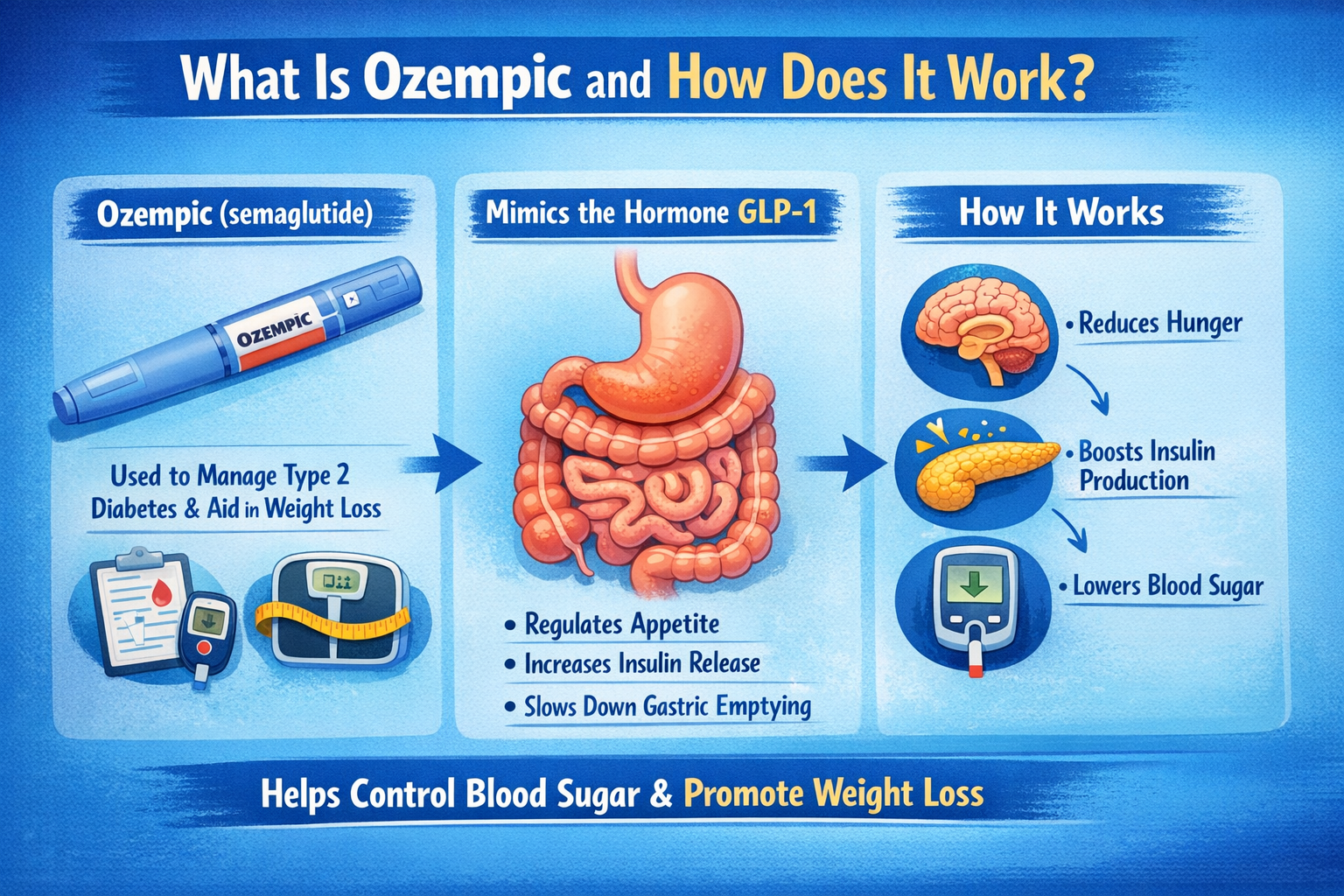
Ozempic is a prescription medication that contains semaglutide, a type of drug known as a GLP-1 receptor agonist. This means it mimics a natural hormone in your body called glucagon-like peptide-1 (GLP-1), which plays a key role in controlling blood sugar levels. After you eat, this hormone signals your pancreas to release insulin, helping move sugar from your bloodstream into your cells. Because of this mechanism, Ozempic has become increasingly popular not only for type 2 diabetes but also as an option like ozempic for prediabetes in people who are trying to prevent the progression of blood sugar issues.
Beyond blood sugar control, Ozempic also works on the brain to regulate appetite. It slows down how quickly food leaves your stomach and helps you feel full for longer, which can naturally reduce calorie intake. This is one of the reasons doctors sometimes prescribe it beyond diabetes management, especially for patients dealing with insulin resistance, weight gain, or metabolic conditions. Its dual effect on both glucose control and appetite makes it a powerful tool in modern treatment plans.
However, as more people begin using it, a common question arises: how long do ozempic side effects last? Since the medication directly affects digestion and hormone signaling, some users may experience temporary side effects as their body adjusts. Understanding how Ozempic works can make it easier to manage expectations and recognize why these effects occur in the first place.
3. Common Ozempic Side Effects: Ozempic Side Effects How Long Does It Last?
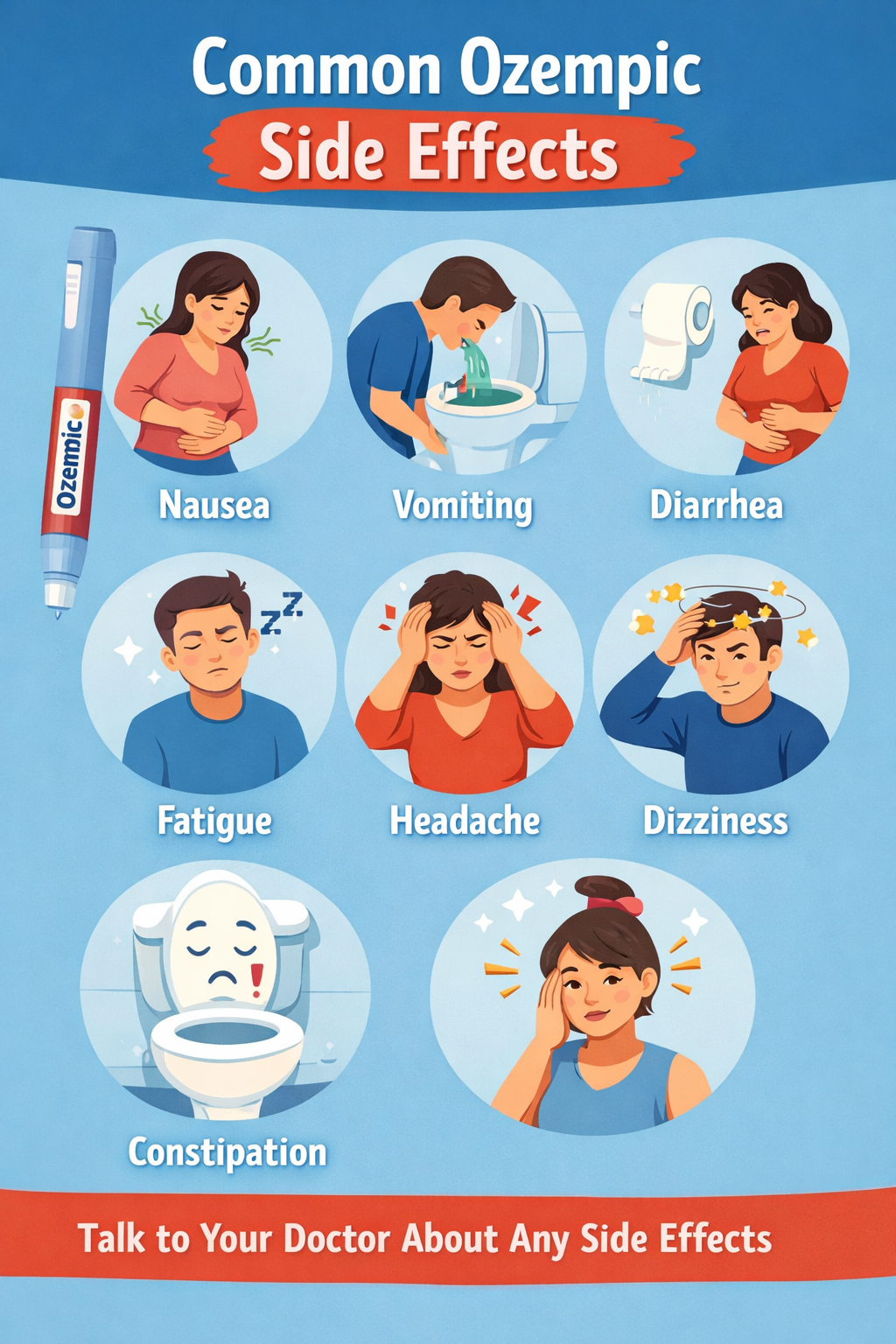
Ozempic is widely used for managing blood sugar and supporting weight loss, but like many medications, it can cause some temporary side effects—especially when your body is still adjusting. The most commonly reported issues include nausea, vomiting, diarrhea, constipation, and fatigue. These symptoms usually appear during the first few weeks of starting the medication or after a dosage increase. Many people naturally wonder, ozempic side effects how long does it last, and the answer often depends on how quickly your body adapts to the treatment.
These side effects happen mainly because Ozempic slows down how quickly food leaves your stomach and affects appetite-regulating hormones. This change can lead to feelings of fullness, mild stomach discomfort, or digestive irregularities like diarrhea or constipation. Nausea is the most frequent complaint, especially in the beginning, while fatigue may occur as your body adjusts to changes in calorie intake and blood sugar levels. If you’re asking how long does ozempic side effects last, most mild symptoms tend to improve within a few days to a few weeks as your system becomes more accustomed to the medication.
Certain individuals may be more likely to experience stronger or longer-lasting side effects. This includes people who start on a higher dose, increase their dose too quickly, or have a sensitive digestive system. Those with pre-existing gastrointestinal conditions may also notice more discomfort. However, for the majority of users, these side effects are manageable and temporary. Understanding ozempic side effects how long does it last can help set realistic expectations and reduce anxiety, especially during the early stages of treatment.
4. Ozempic Side Effects: How Long Does It Last?
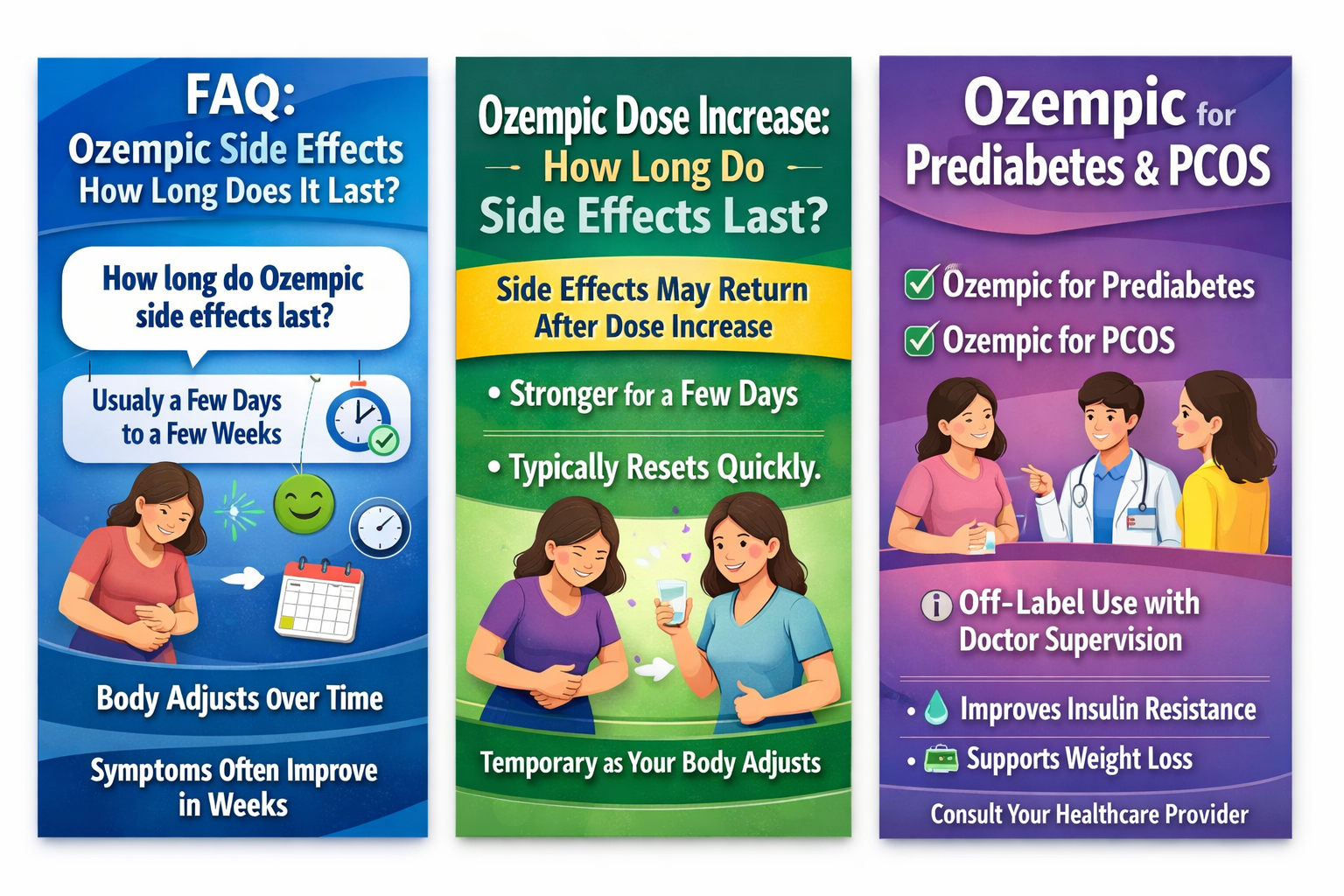
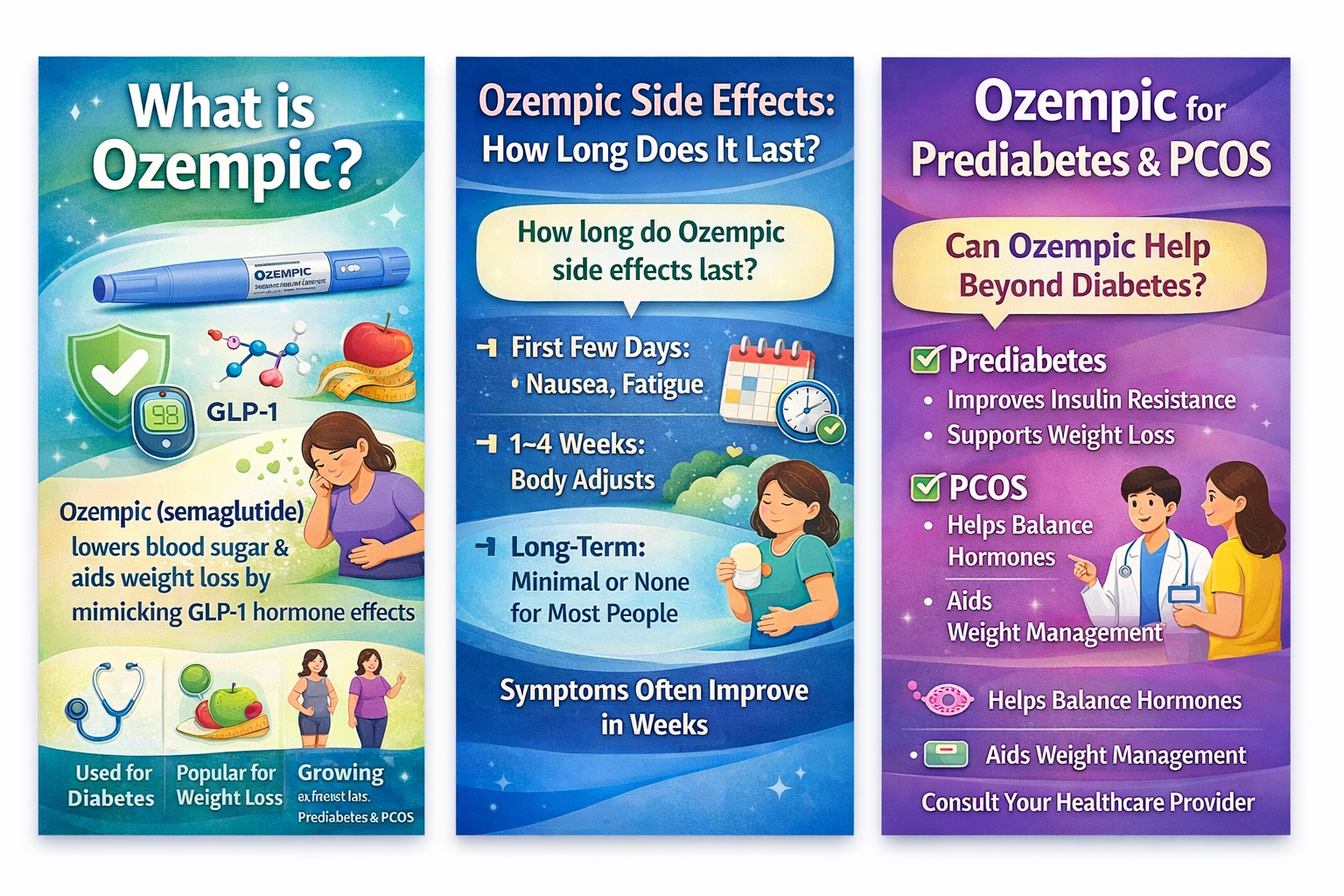
If you’re wondering “ozempic side effects how long does it last,” the answer depends on how your body responds to the medication. For most people, the side effects are temporary and tend to appear soon after starting treatment or increasing the dose. During the first few days, symptoms like nausea, mild stomach discomfort, or fatigue can feel more noticeable as your body begins adjusting. This early phase is often the most intense, which is why many users ask how long does ozempic side effects last before they start to feel normal again.
As your body adapts, usually within 1 to 4 weeks, these symptoms gradually decrease. Many people report that the discomfort becomes milder or disappears completely during this period. So, when asking how long do ozempic side effects last, it’s important to understand that the adjustment phase varies slightly from person to person. Factors like your dosage level, how quickly it was increased, and your individual tolerance all play a major role in how long the side effects continue.
In the long term, most users experience minimal or no side effects at all. Supporting your body with proper hydration, balanced meals, and smaller portion sizes can also help reduce discomfort and shorten the duration. If you’re still concerned about ozempic side effects how long does it last, remember that lifestyle habits, along with medical guidance, can significantly influence your experience and make the transition smoother.
5. How Long Do Ozempic Side Effects Last for Different People?
For many beginners, a common question is how long do ozempic side effects last when starting the medication. In the first few days or weeks, side effects like nausea or mild stomach discomfort are more noticeable because the body is adjusting to the drug. For most new users, these symptoms gradually fade as the body adapts. So, if you’re wondering how long does ozempic side effects last at the beginning, the answer is usually a short period—often a few days to a couple of weeks.
For long-term users, the experience is often very different. Once the body becomes familiar with the medication, side effects tend to become minimal or disappear entirely. However, when the dosage is increased, some side effects may return temporarily. This leads many people to ask again, how long do ozempic side effects last after a dose change. Typically, these effects last only a few days as the body readjusts to the new dosage level.
People with sensitive stomachs may notice that side effects last slightly longer compared to others. Digestive symptoms like bloating, nausea, or changes in appetite can persist a bit more, making them wonder how long does ozempic side effects last in their case. The duration can vary depending on individual tolerance, diet, and hydration levels. Still, even for sensitive individuals, most side effects improve over time, especially with proper lifestyle adjustments and guidance from a healthcare provider.
6. Tips to Reduce Ozempic Side Effects (How Long Does Ozempic Side Effects Last?)
Managing side effects effectively can make a big difference in your overall experience with Ozempic. If you’re wondering how long does ozempic side effects last, simple daily habits can actually help shorten that duration. Start by eating smaller, more frequent meals instead of large portions, as this reduces pressure on your digestive system and helps minimize nausea. Avoiding greasy or high-fat foods is also important, since these can worsen stomach discomfort and make symptoms linger longer than expected.
Another key factor is hydration and consistency. Drinking enough water throughout the day supports your body in adjusting to the medication more smoothly. At the same time, taking your dose at the same time each week helps your body build a routine, which may reduce the intensity of symptoms. Many people asking ozempic side effects how long does it last find that these simple adjustments can noticeably improve how quickly their body adapts.
Finally, always listen to your body and don’t ignore severe or persistent symptoms. While mild side effects are common in the beginning, ongoing discomfort may need medical attention. Consulting your doctor early can help you adjust dosage or receive guidance tailored to your needs. By following these practical tips, you can not only feel better sooner but also reduce uncertainty around how long does ozempic side effects last and manage your treatment with more confidence.
7. Ozempic for Prediabetes: Benefits and Risks
Prediabetes is a condition where blood sugar levels are higher than normal but not yet high enough to be diagnosed as type 2 diabetes. It is often linked to insulin resistance, where the body doesn’t use insulin effectively, causing glucose to build up in the bloodstream. Many people don’t notice symptoms at this stage, which makes early intervention important. This is where ozempic for prediabetes has gained attention, as it may help improve how the body responds to insulin and reduce the risk of developing full diabetes.
Ozempic works by mimicking a natural hormone that helps regulate blood sugar and appetite. For individuals with prediabetes, it can slow down the progression to type 2 diabetes by improving insulin sensitivity and lowering glucose levels. One of the key advantages of ozempic for prediabetes is its dual benefit—it not only helps control blood sugar but also supports weight loss, which is a major factor in reversing insulin resistance. Many users find that even modest weight reduction can significantly improve their overall metabolic health.
However, like any medication, there are potential downsides to consider. Some people may experience nausea, digestive discomfort, or fatigue when starting treatment. A common concern is ozempic side effects how long does it last, and in most cases, these effects are temporary, lasting from a few days to a few weeks as the body adjusts. Understanding both the benefits and risks allows individuals to make informed decisions and work closely with their healthcare provider to manage prediabetes safely and effectively.
8.Ozempic for PCOS: Is It Effective?
Polycystic Ovary Syndrome (PCOS) is a common hormonal condition often linked with insulin resistance, where the body struggles to use insulin effectively. This imbalance can lead to weight gain, irregular periods, and difficulty managing blood sugar levels. Because of this connection, treatments that improve insulin sensitivity are often explored. Recently, ozempic for pcos has gained attention as a potential option, as it targets blood sugar regulation while also supporting metabolic health.
One of the main reasons ozempic for pcos is being considered is its ability to aid in weight management and improve hormonal balance. By slowing digestion and reducing appetite, Ozempic helps many individuals achieve gradual and sustainable weight loss, which can play a key role in managing PCOS symptoms. In addition, better blood sugar control may help stabilize hormone levels over time, potentially leading to more regular cycles and improved overall well-being.
However, like any medication, it’s important to understand possible side effects. Some individuals with PCOS may experience nausea, digestive discomfort, or fatigue when starting treatment. A common concern is how long do ozempic side effects last, and for most people, these symptoms are temporary—often easing within a few days to a few weeks as the body adjusts. Monitoring your response and consulting a healthcare provider can help ensure safe and effective use.
9. When to See a Doctor: How Long Does Ozempic Side Effects Last?
While many people experience mild symptoms when starting Ozempic, it’s important to know when those effects go beyond normal. If you’re wondering how long does ozempic side effects last, most discomfort like nausea or fatigue should improve within a few days to a few weeks. However, if you experience severe nausea, repeated vomiting, or signs of dehydration such as dizziness, dry mouth, or reduced urination, it’s time to seek medical attention. These symptoms may indicate that your body is not tolerating the medication well.
Another key concern is persistence. If you keep asking yourself ozempic side effects how long does it last because your symptoms are not improving even after several weeks, don’t ignore it. Side effects that continue longer than expected or worsen over time—such as ongoing stomach pain, extreme weakness, or difficulty eating—should be evaluated by a healthcare professional. Your doctor may adjust your dosage or suggest alternative treatments to better suit your body.
Lastly, always pay attention to warning signs that feel unusual or severe. Even though many people search for how long does ozempic side effects last to find reassurance, it’s crucial to recognize when something isn’t right. Symptoms like severe abdominal pain, signs of allergic reaction (rash, swelling, trouble breathing), or dehydration should never be delayed for home management. Seeking timely medical advice ensures both your safety and the effectiveness of your treatment journey.
10. Conclusion: What to Expect from Ozempic
When starting Ozempic, many people naturally wonder ozempic side effects how long does it last. The reassuring news is that most side effects are temporary and tend to fade as your body adjusts to the medication. For many users, mild symptoms like nausea or digestive discomfort appear in the first few days and gradually improve within a few weeks. So if you’re asking how long do ozempic side effects last, the answer is usually short-term, especially when the dosage is increased slowly under medical guidance.
Beyond managing side effects, Ozempic offers meaningful health benefits. It is increasingly used as ozempic for prediabetes, helping to control blood sugar levels and reduce the risk of developing type 2 diabetes. At the same time, ozempic for pcos has gained attention for supporting weight management and improving insulin resistance, which are key challenges for many women with PCOS. These benefits often outweigh the initial discomfort, especially when the medication is used correctly.
In the end, understanding ozempic side effects how long does it last can help you stay confident and consistent with your treatment. Most side effects are manageable and temporary, while the long-term advantages for conditions like prediabetes and PCOS can be significant. If you ever feel unsure about how long do ozempic side effects last, consulting your doctor can provide clarity and reassurance, ensuring you get the best results safely.
More Blog Posts
Does Metformin Cause Weight Gain? What the Research Says
Managing Ozempic Side Effects: Nausea and Other Common Issues
Ozempic (semaglutide) has become a popular treatment for type 2 diabetes and weight management, but its gastrointestinal side effects can be challenging. Learn evidence-based strategies to minimize discomfort while benefiting from this medication.
Read More
Tylenol and Ibuprofen: Safe Together or Risky Combination?
Many people alternate between acetaminophen (Tylenol) and ibuprofen for pain relief, but is this practice safe? We analyze the pharmacological interactions and clinical guidelines to help you make informed decisions about pain management.
Read More
Why Does Lexapro Cause Weight Gain? Understanding the Mechanisms
Lexapro (escitalopram) is an effective SSRI antidepressant, but weight gain is a common concern. This article explores the physiological reasons behind this side effect and offers practical advice for managing weight while on medication.
Read More
How to Stop Dizziness from Blood Pressure Meds
Practical strategies to manage orthostatic hypotension from antihypertensives.
Read More
Prozac Insomnia: How Long Does It Last?
Understanding the timeline for SSRI-related sleep disturbances.
Read More
Side Effects of Stopping Statins Suddenly
The risks and proper protocols for discontinuing cholesterol medications.
Read More
Can I Drink Alcohol with Antibiotics?
Which antibiotics interact with alcohol and the potential risks.
Read More
Adderall and Caffeine Side Effects
The dangerous combination of stimulants and its impact on your health.
Read More
Does Gabapentin Cause Hair Loss?
Examining the evidence behind this concerning side effect.
Read More
Managing Amlodipine-Induced Swelling: A Patient's Guide
Effective strategies for managing peripheral edema caused by calcium channel blockers.
Read More
Prednisone Moon Face: How Long to Go Away
Understanding and managing corticosteroid-induced facial swelling.
Read More
Can You Take Benadryl with Xanax?
The risks of combining CNS depressants and safer alternatives.
Read More
Zoloft vs Lexapro Side Effects
Comparing two popular SSRIs and their side effect profiles.
Read More
Best Time to Take Synthroid to Avoid Side Effects
Optimizing levothyroxine absorption and effectiveness.
Read More
Managing Weight Gain from Antidepressants
Strategies to counteract medication-induced weight changes.
Read More
Beta Blocker Withdrawal Symptoms Timeline
What to expect when tapering off these heart medications.
Read More
SSRI Withdrawal: What to Expect
Understanding discontinuation syndrome and how to minimize symptoms.
Read More
Birth Control Pills and Mood Swings
How hormonal contraceptives can affect your emotional health.
Read More
Natural Alternatives to Proton Pump Inhibitors
Lifestyle changes and supplements to reduce acid reflux without medications.
Read More
Can You Take Tylenol With Amoxicillin? A Comprehensive Guide
When dealing with common infections like strep throat, sinus infections, or even a toothache, your doctor may prescribe amoxicillin, a widely used antibiotic. At the same time, you might experience fever, body aches, or pain — symptoms that prompt many people to reach for Tylenol (acetaminophen). But a common question arises: Can you take Tylenol with amoxicillin?
Read More
Antibiotics for Sinus Infection: Best Treatments, Uses, and Side Effects Explained
Sinus infections, also known as Sinusitis, are a widespread condition that can leave you dealing with stubborn congestion, facial pressure, headaches How to treat?
Read More
Dupixent Side Effects: What You Need to Know Before and After Treatment
Living with conditions like eczema, asthma, or chronic sinusitis can be challenging, and treatments such as Dupixent have brought relief to many patients. How to treat?
Read More
How to Stop Metformin Diarrhea: 7 Doctor-Approved Methods That Work
If you have recently been prescribed this medication, you may be searching for answers to an uncomfortable question: why does metformin give me diarrhea every time I eat? How to treat?
Read More